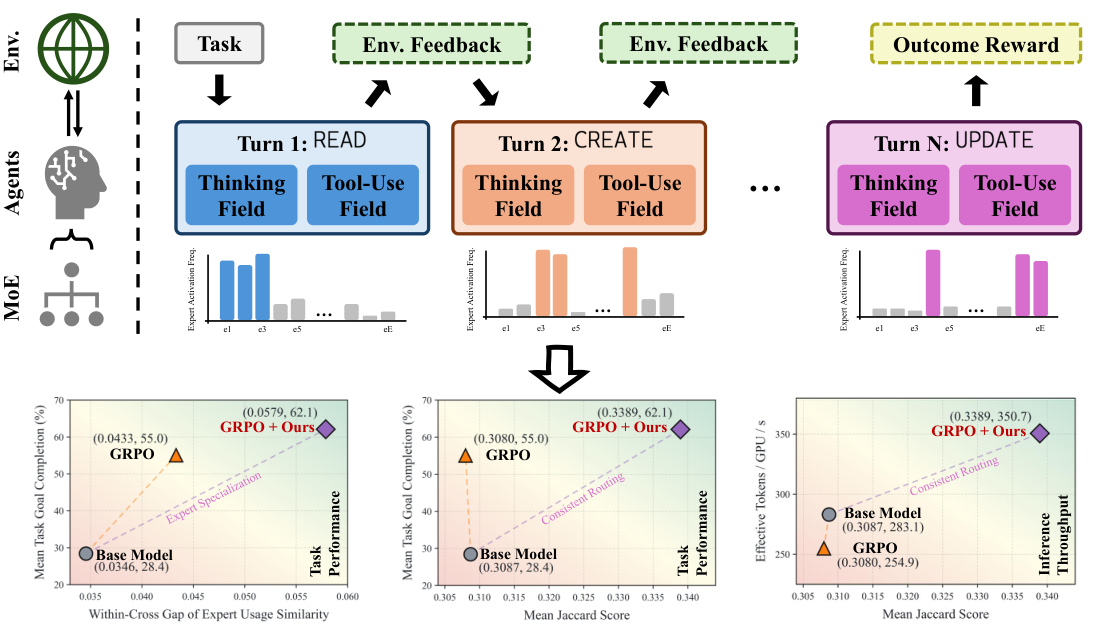
Structuring MoE Expert Selection for Agentic Reinforcement Learning
Aligning mixture-of-experts routing with agent operations through hierarchical control during reinforcement-learning post-training.
Selected work, organized by year. Every paper includes its representative figure and original resource links.
I am broadly interested in problems at the intersection of Computer Vision, Computer Audition, and Machine Learning, with the goal of building AI systems that can perceive, reason, and interact with complex real-world environments. My research focuses on multimodal learning (Vision + X), particularly for generative modeling and cross-modal understanding with minimal supervision.
In the past, I have also worked on computational photography, including image reflection removal, intrinsic image decomposition, inverse rendering, and video quality assessment. This selection also includes my recent work on agents and efficient reasoning. Preprints are labeled separately from peer-reviewed publications.
Aligning mixture-of-experts routing with agent operations through hierarchical control during reinforcement-learning post-training.
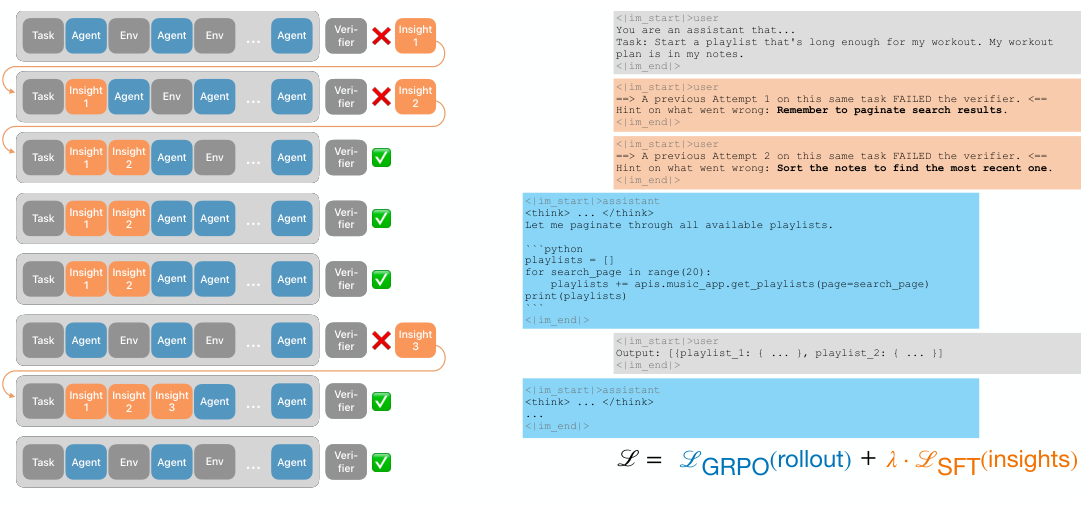
Learning from brief, self-generated insights after failed attempts, then internalizing those insights during training.
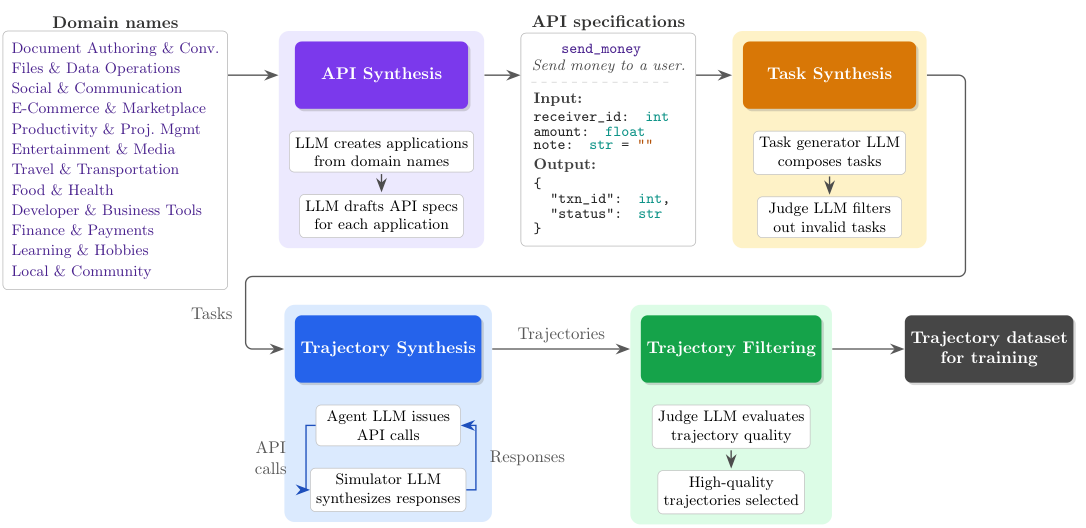
Generating stateful API-calling trajectories with LLM world models to train agents that generalize to unseen environments.
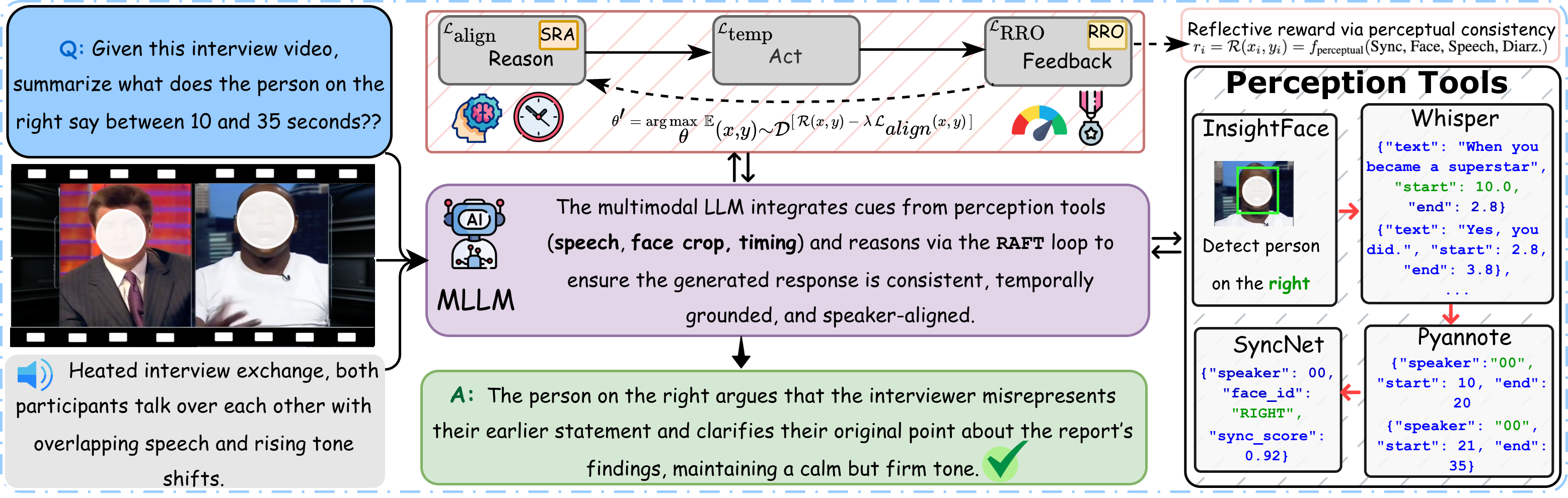
A benchmark for agentic multi-speaker understanding, paired with the RAFT alignment framework.
Presentations: Research presentation · Apple booth, CVPR 2026
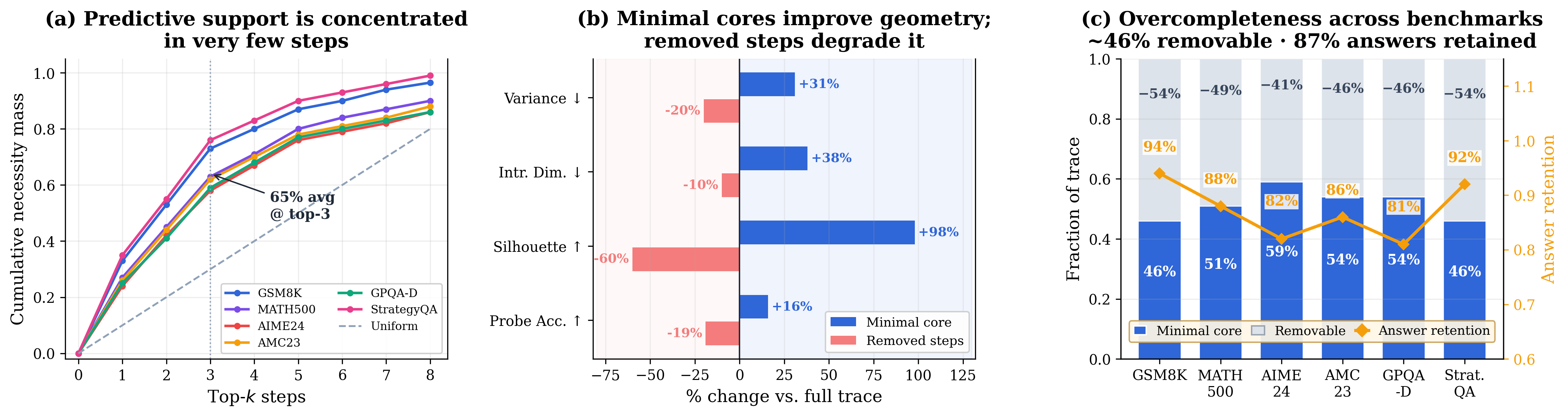
Identifying the compact support within long reasoning traces and studying its representation geometry.
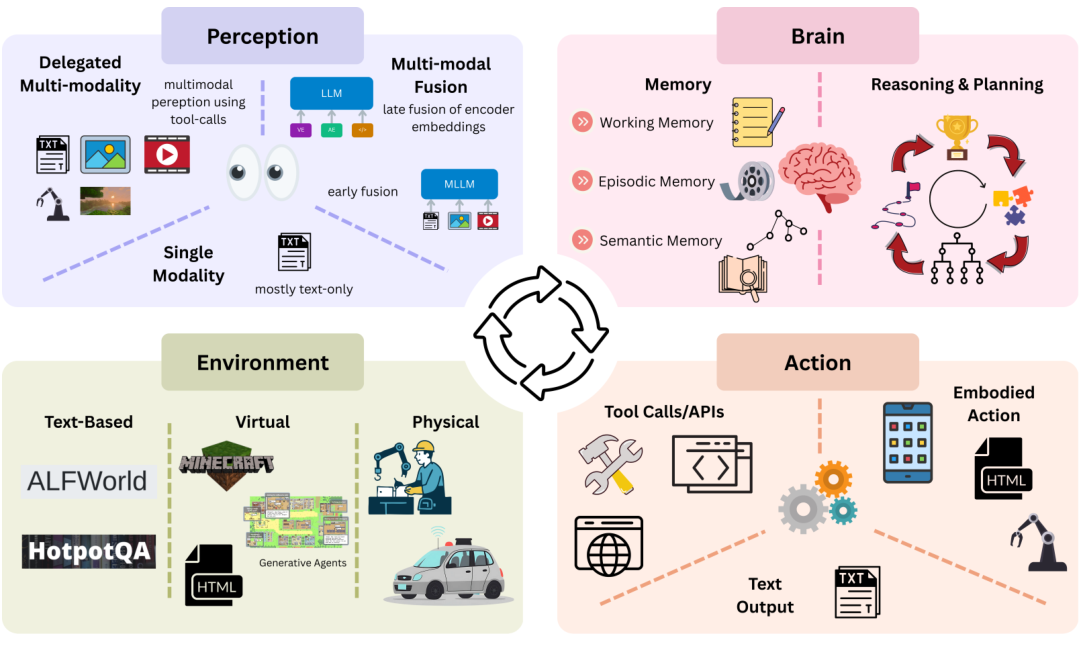
A survey of the techniques, applications, and open challenges in multimodal agentic frameworks.
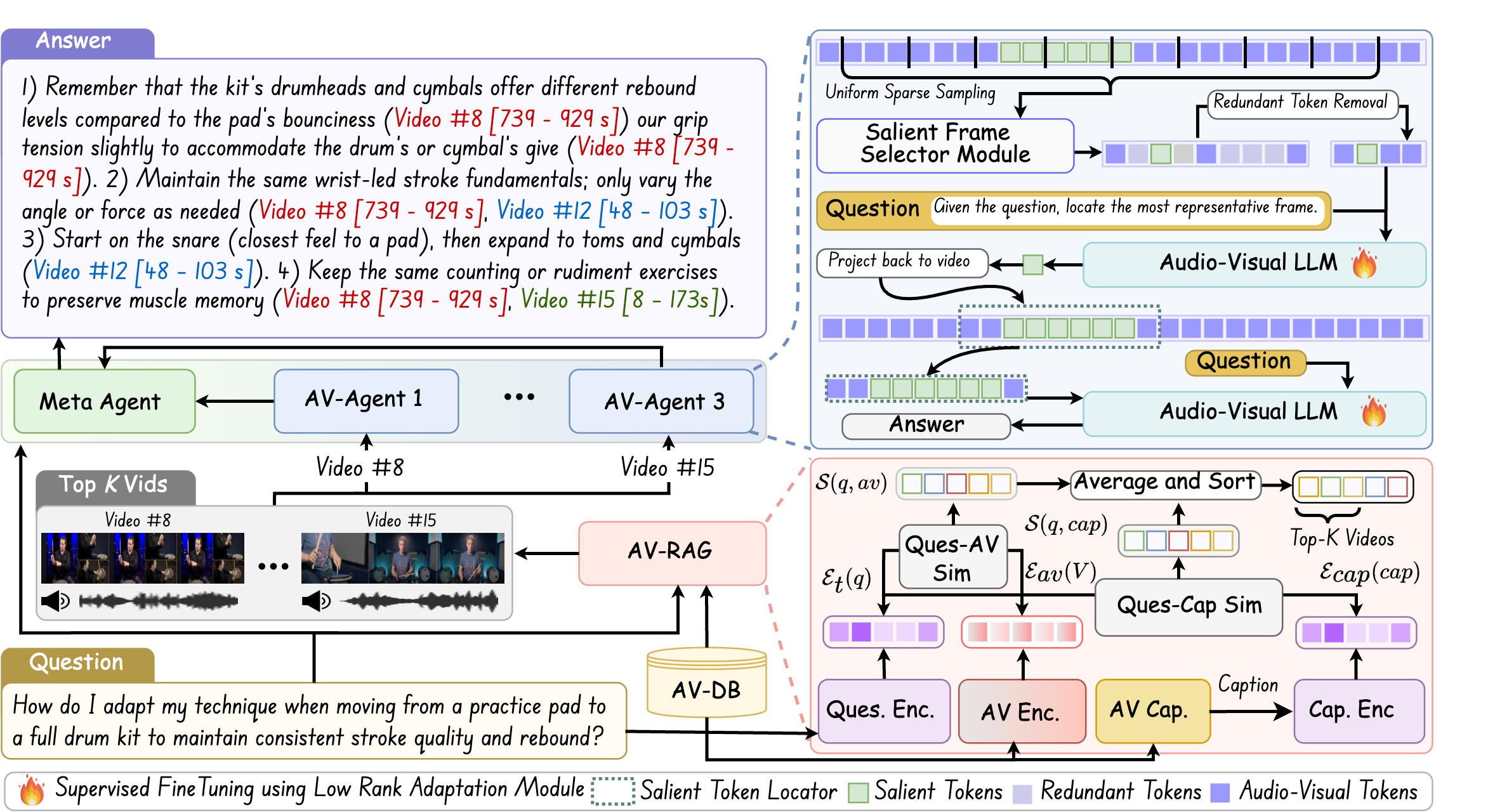
Multi-agent retrieval and reasoning over audio-visual evidence distributed across multiple videos.
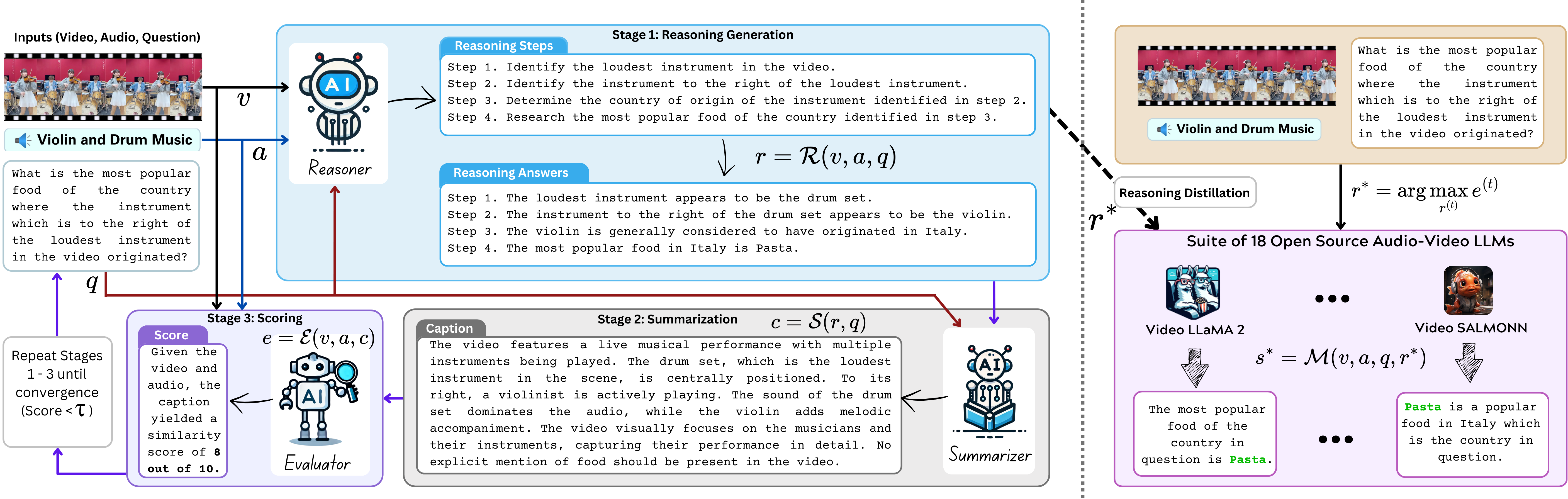
An actor–critic framework for structured audio-visual reasoning at test time, alongside AVReasonBench.
Presentations: Invited presentation · CLVL, ICCV 2025 Invited presentation · AVGenL, ICCV 2025
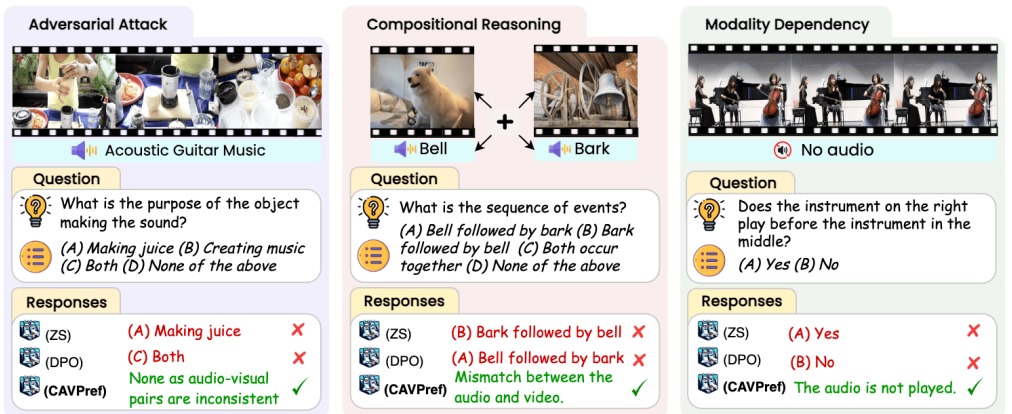
Evaluating audio-visual reliability under adversarial attacks, compositional reasoning, and modality-specific dependencies.
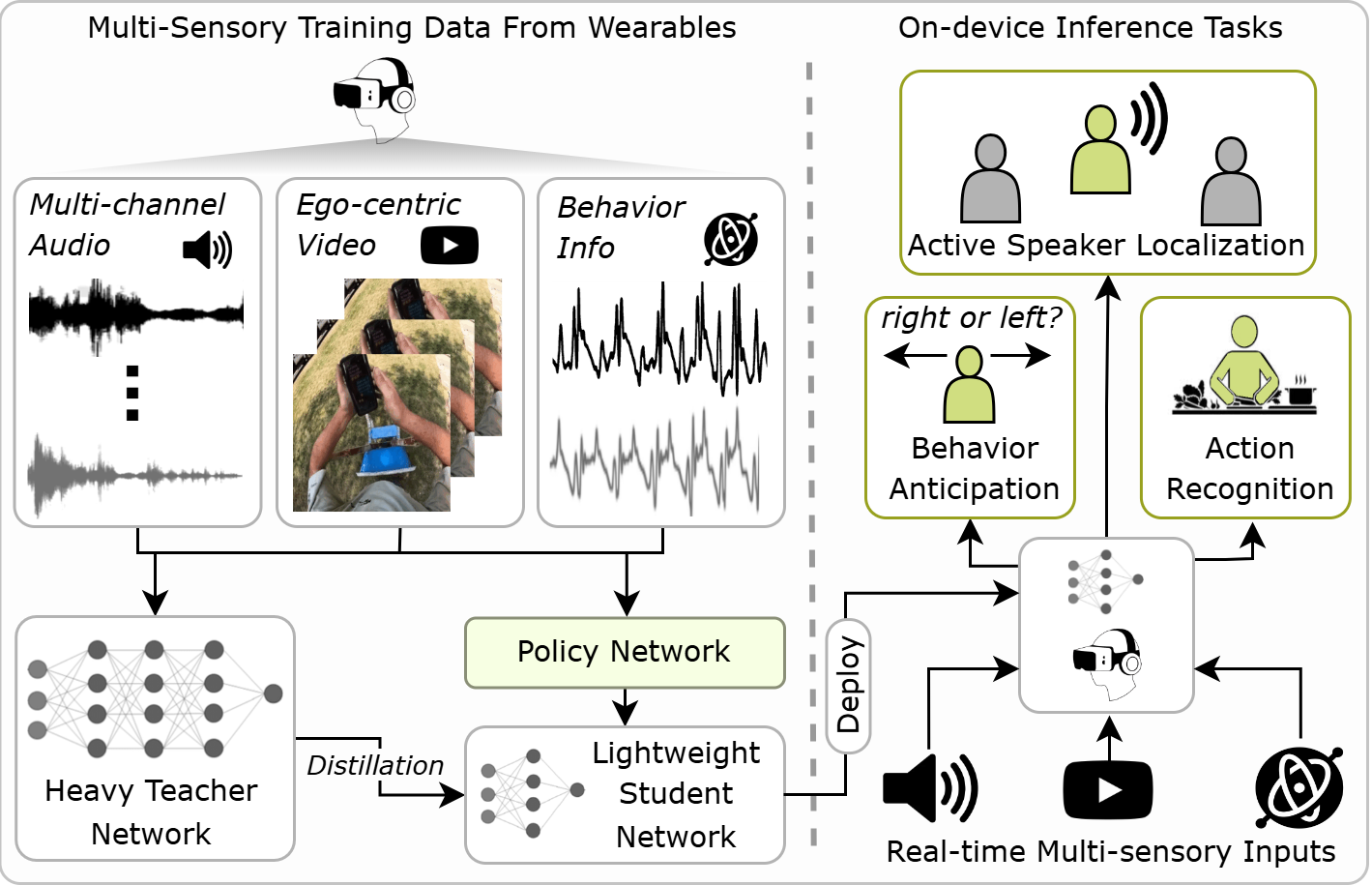
Adaptive multisensory distillation and policy learning for efficient egocentric perception.
Presentations: Oral presentation · BinEgo-360°, ICCV 2025 Invited talk · NYC Computer Vision Day, NYU 2025
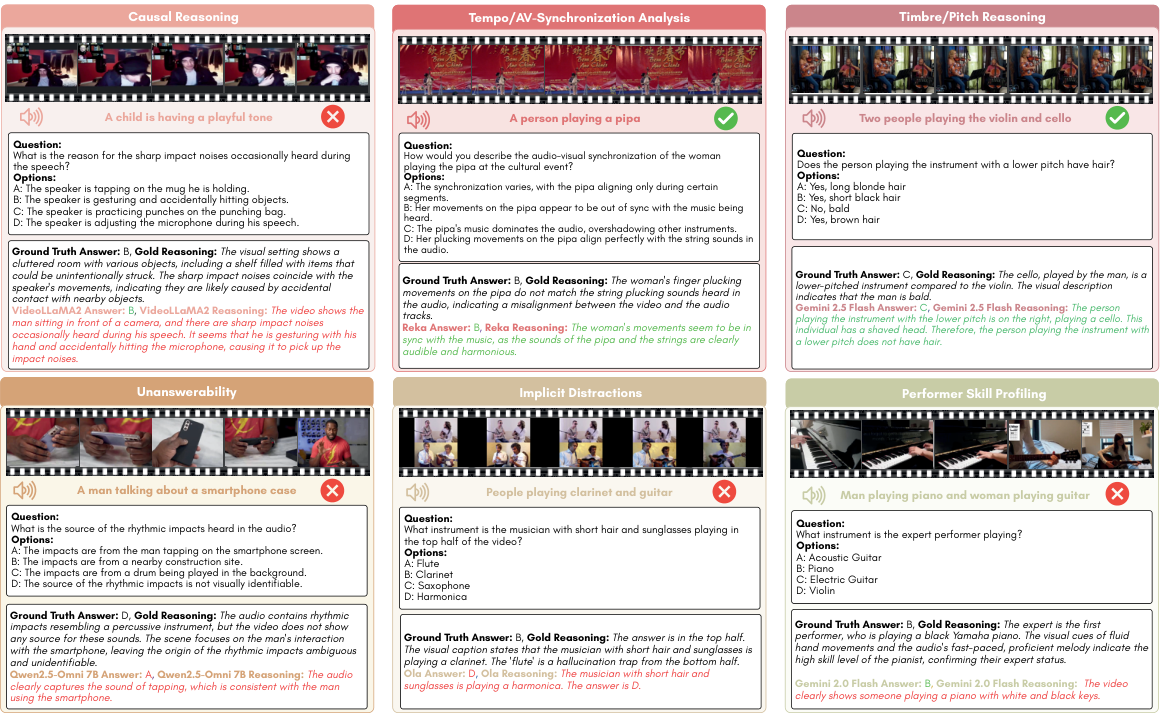
Evaluating audio-visual reasoning traces by separating factual consistency from the validity of core inferences.
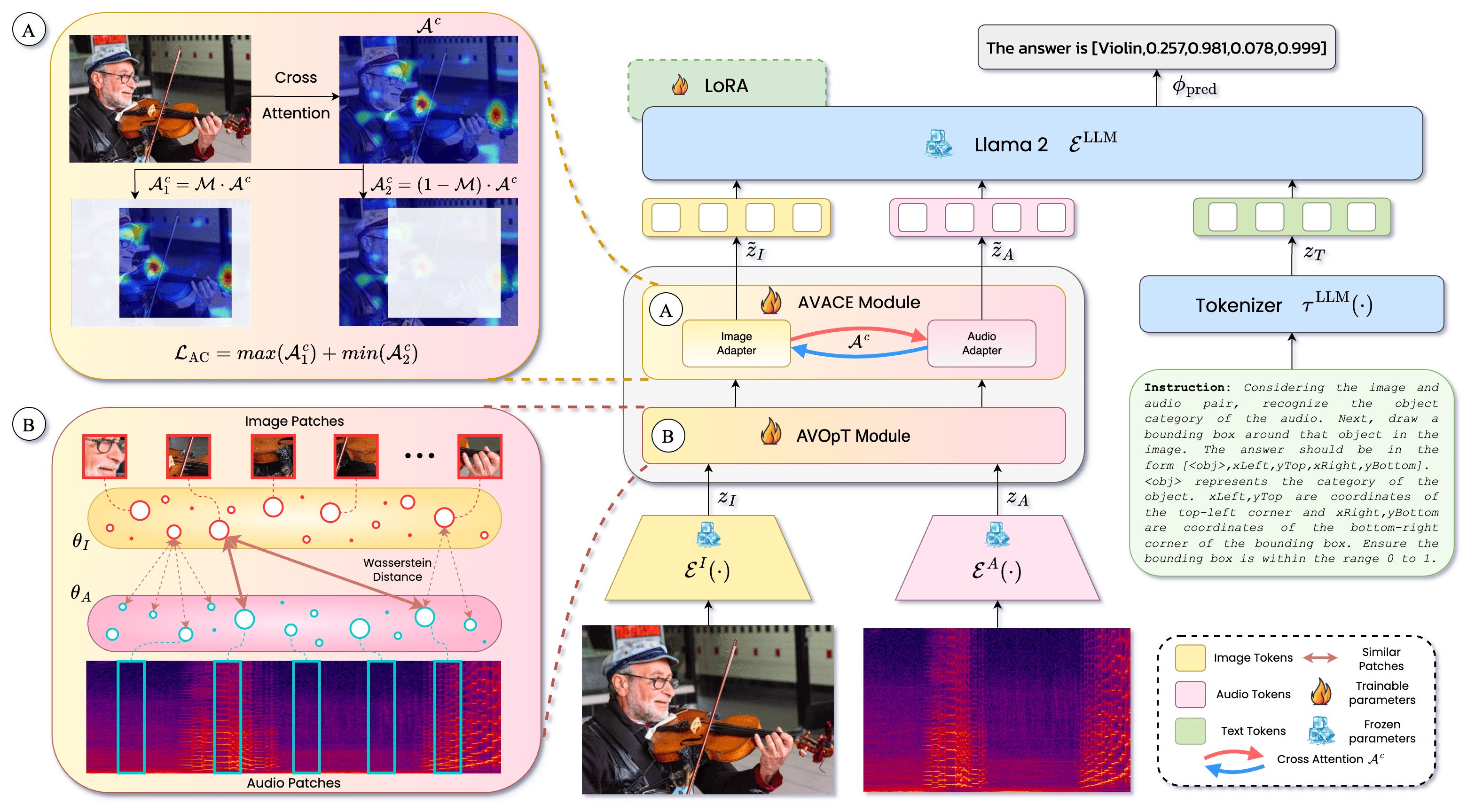
Fine-grained audio-visual grounding in space and time through modality alignment and instruction tuning.
Presentations: Invited talk · AVGenL, ECCV 2024
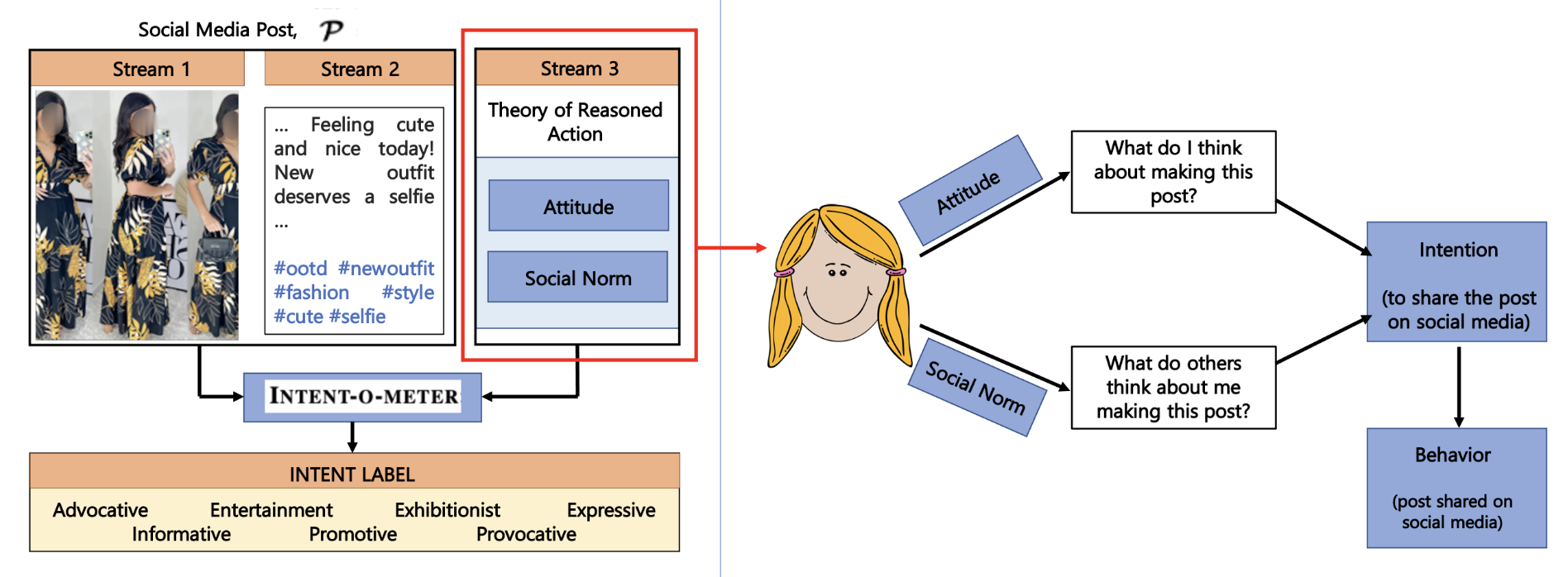
Predicting perceived intent in multimodal social media posts using visual, textual, and psychological cues.
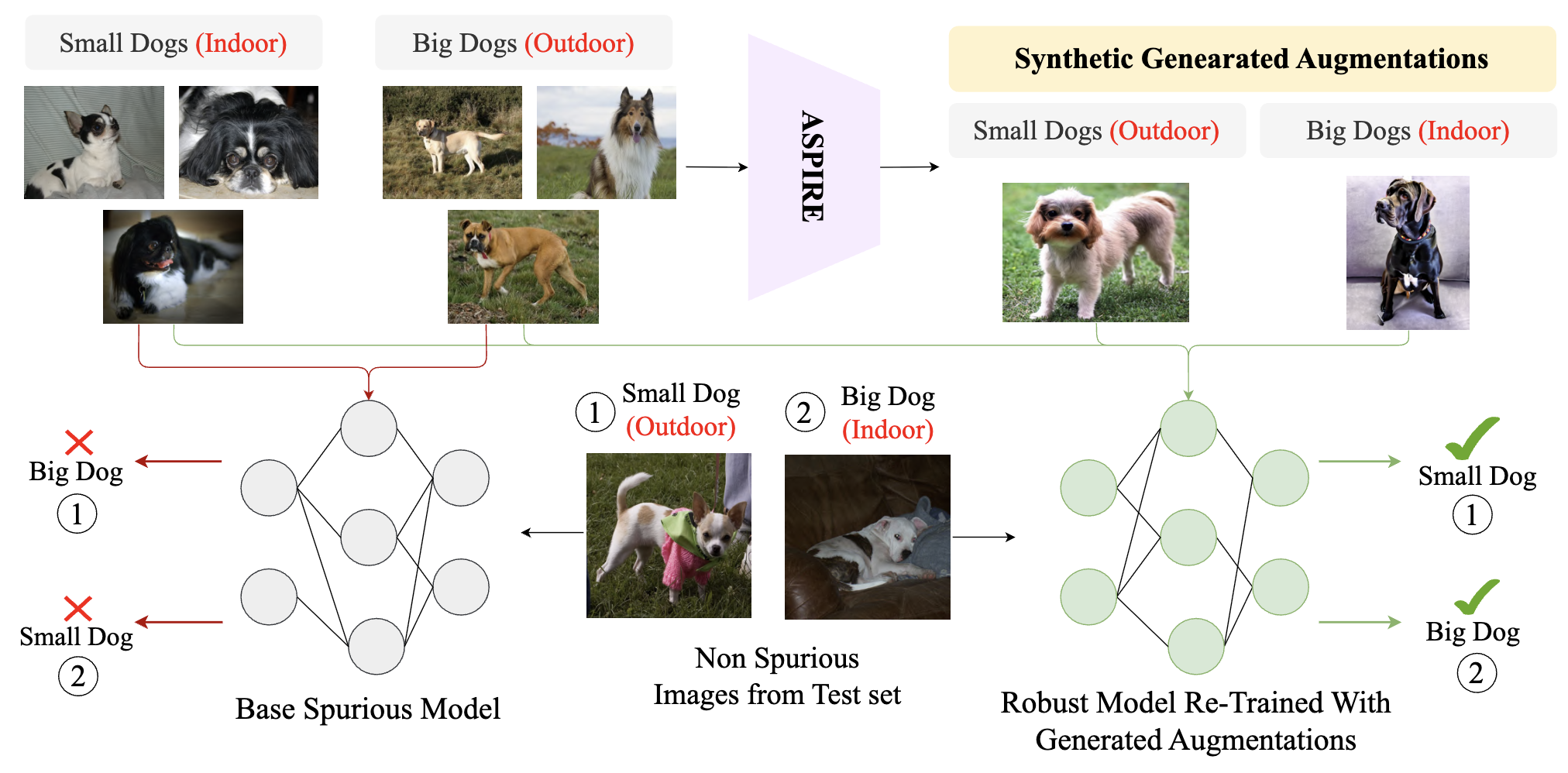
Language-guided image augmentation to reduce dependence on spurious visual features.
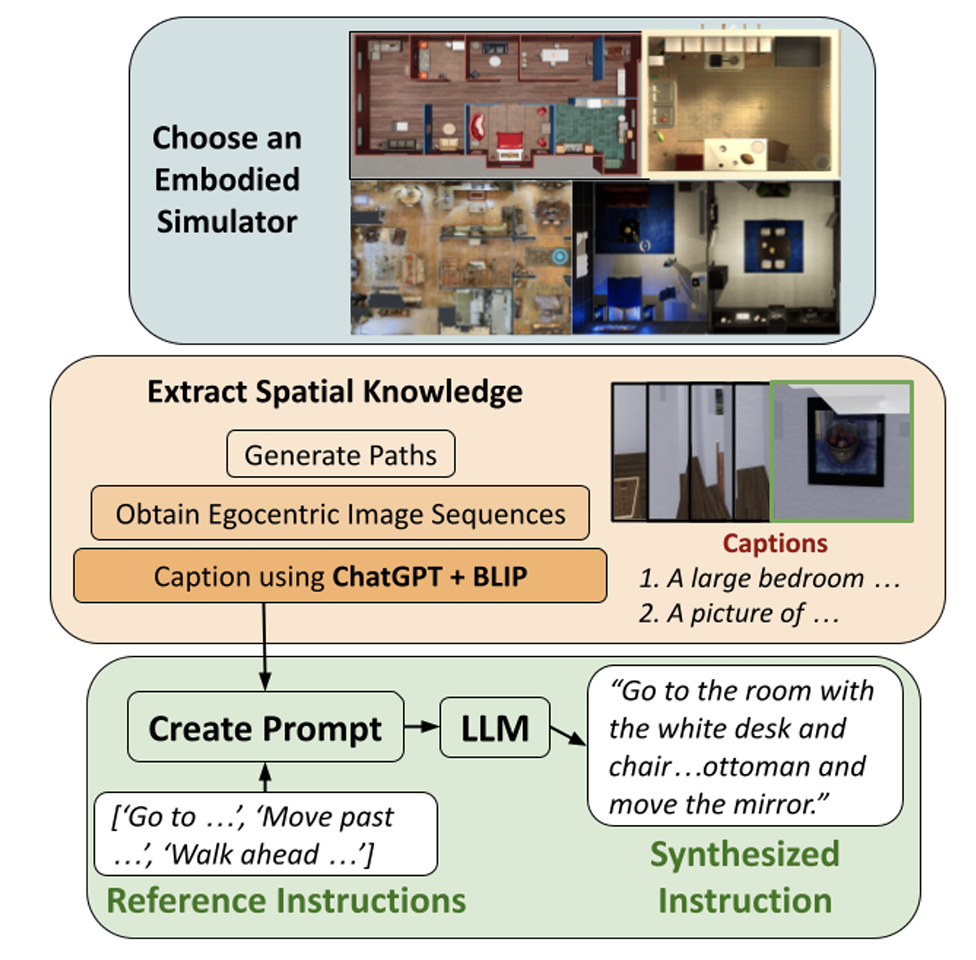
Generating platform-independent wayfinding instructions with in-context learning.
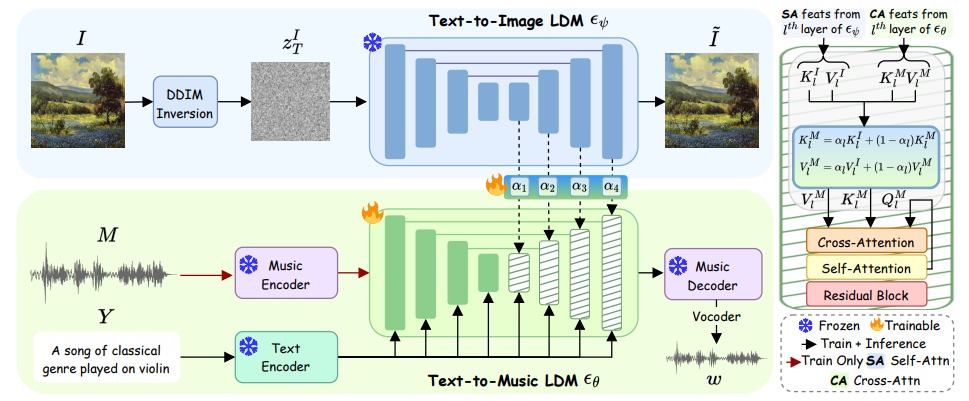
Synthesizing music from image and text cues with a diffusion model and visual synapses.
Presentations: Invited talk · Sight and Sound, CVPR 2024
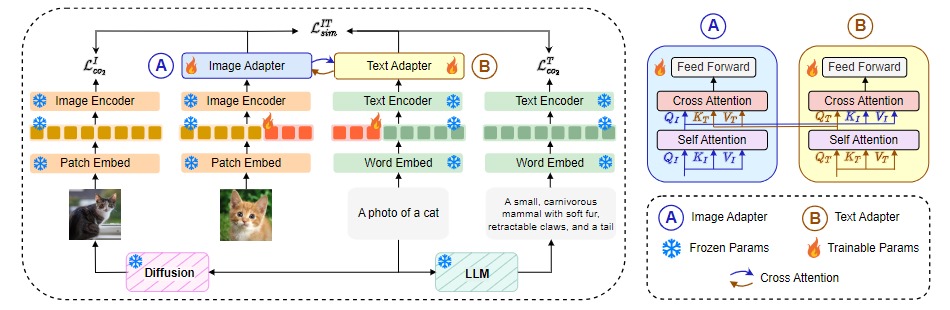
Combining adapters and prompts to improve few-shot generalization in vision-language models.
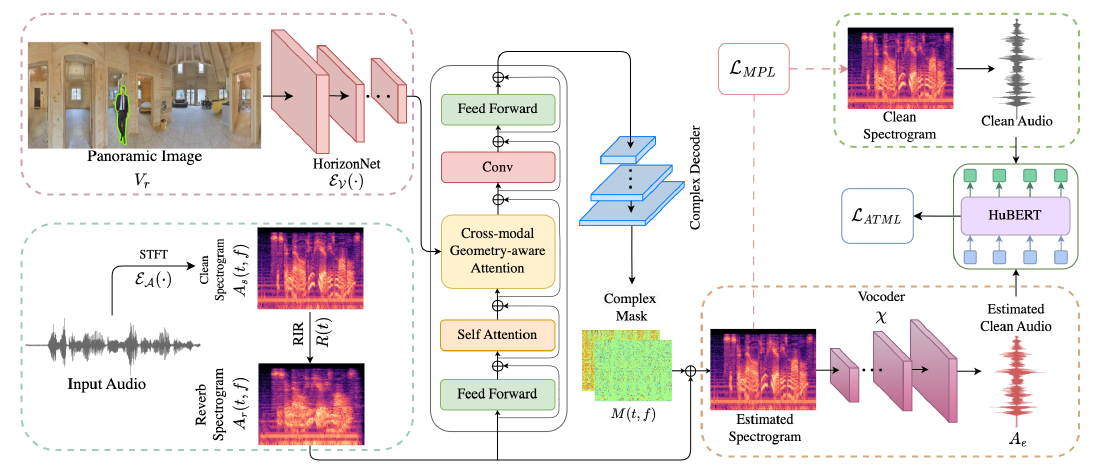
Using visual context to help estimate clean audio from reverberant recordings.
Presentations: Invited talk · AV4D, ICCV 2023
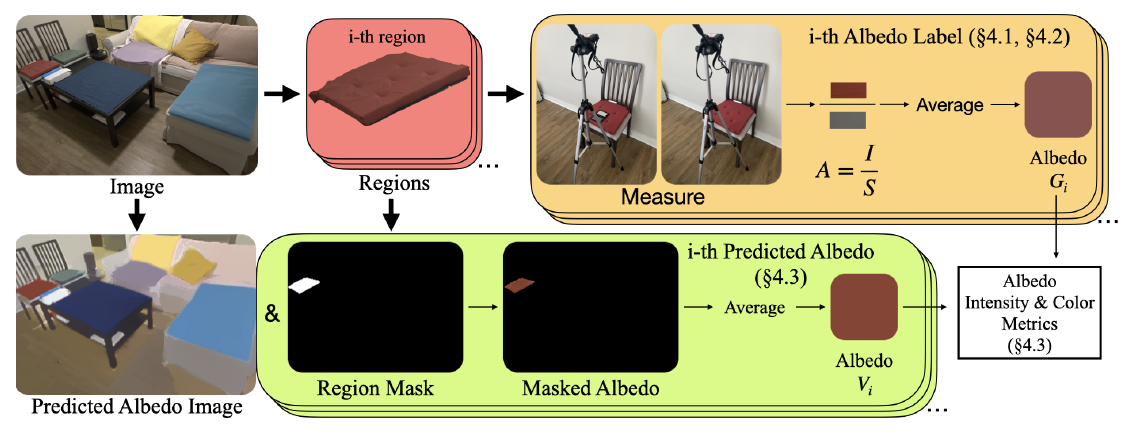
A measured-albedo dataset and evaluation metrics for intrinsic image decomposition.
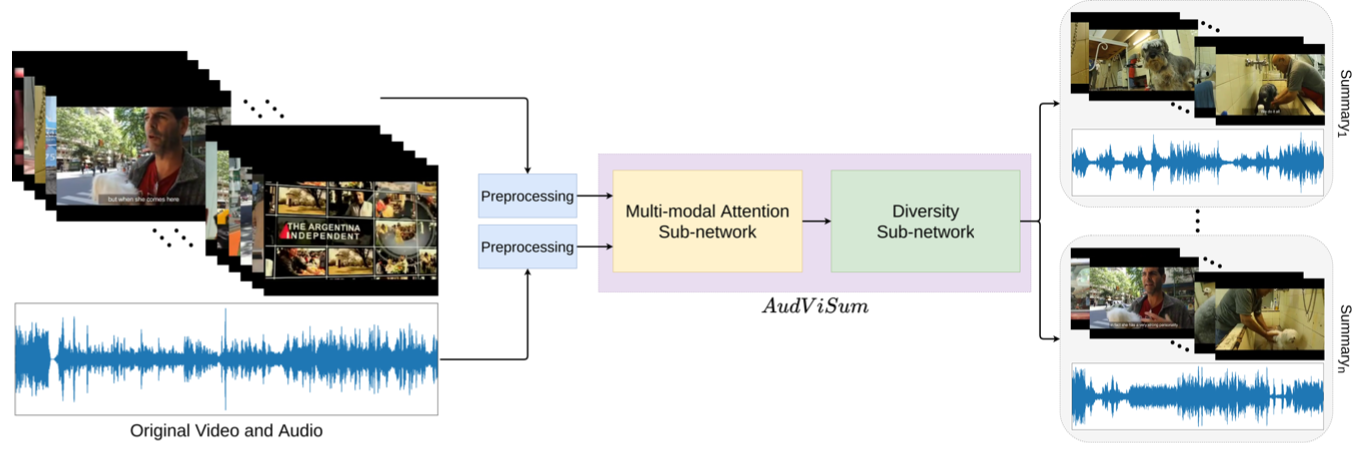
Self-supervised reinforcement learning for diverse, informative audio-visual summaries.
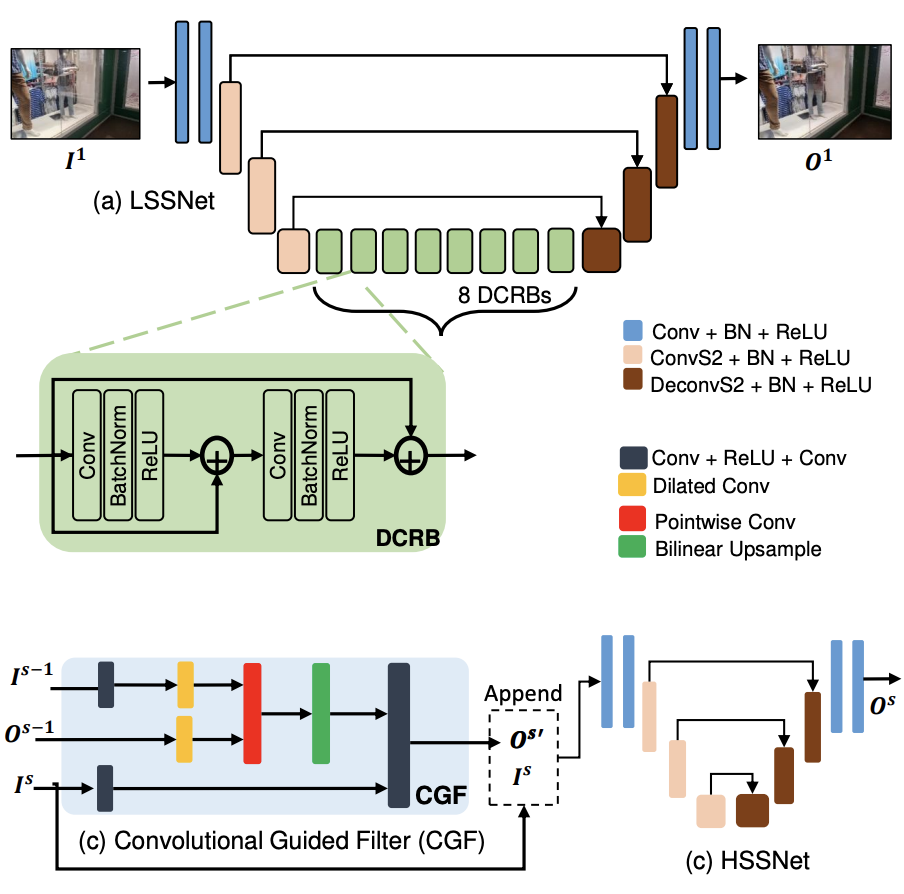
A multi-scale architecture for fast single-image reflection removal.
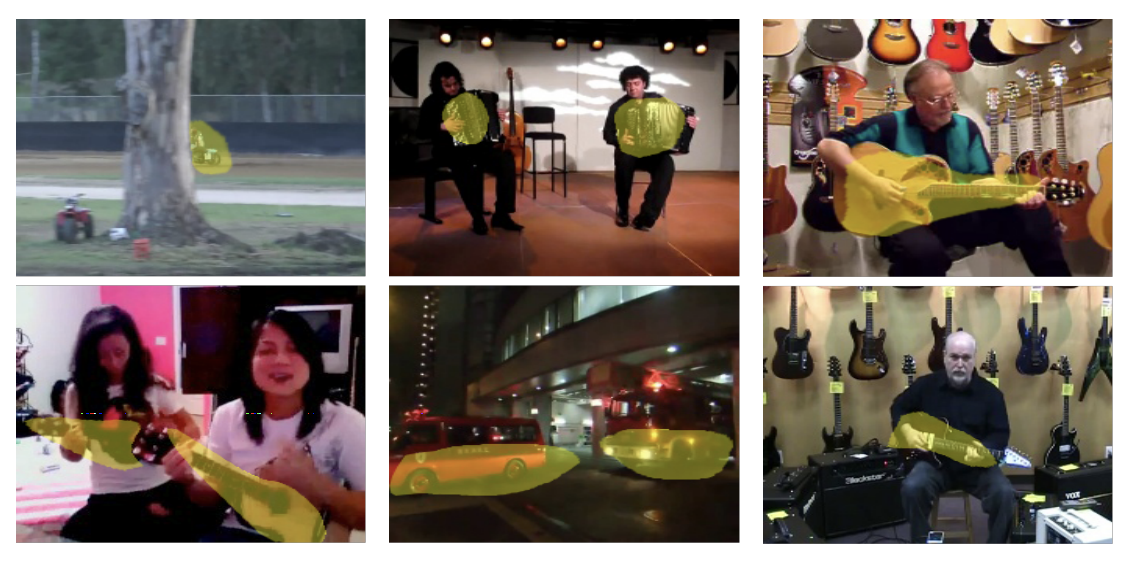
Self-supervised joint audio-visual segmentation by exploiting correspondence between the modalities.
Download BibTeX for seven recent papers (arXiv records)
* Equal contribution. Author order and resource links follow the original publications.


